
Akhanda Bharata - The Sacred Atlas
An interactive pilgrimage to the sacred sites mentioned in the scriptures of ancient Bharat. Click a point to uncover its timeless significance.
Sacred Sites
The Legacy of Akhanda Bharata
Beyond modern borders lies a cultural and spiritual subcontinent bound by shared philosophies, traditions, and epic narratives.
A Tapestry of Shared Heritage
Akhanda Bharata reflects a living tapestry of shared culture, faith, and wisdom across the subcontinent—where sacred places, philosophies, and epics connect people beyond borders.
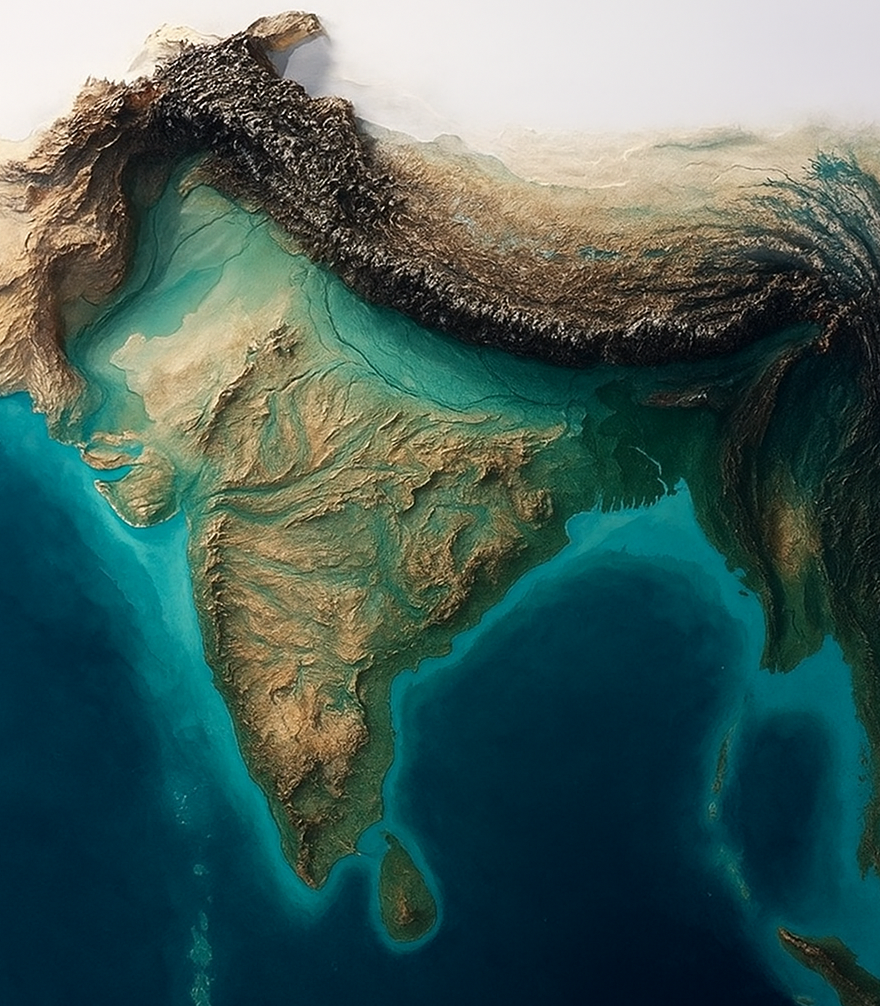
The 18 Sacred Shaktipeethas
Sacred sites where divine feminine energy manifests in its most powerful forms, marking where parts of Goddess Sati's body fell during Lord Shiva's cosmic dance of grief.
The Shaktipeethas are the most sacred sites of divine feminine energy in Hindu tradition. When Goddess Sati immolated herself, Lord Shiva carried her body across the universe. As he danced the Tandava, parts of Sati's body fell at various locations, creating 51 major Shaktipeethas. Among these, 18 are considered the most significant (Ashtadasha Shaktipeethas), where devotees seek blessings for strength, wisdom, prosperity, and spiritual liberation.
Sankari Devi
Trincomalee, Sri Lanka
ऊरु (Ūru) - Thigh
The southernmost Shaktipeetha where Goddess Sati's thigh fell. This ancient temple in Sri Lanka is one of the most powerful centers of divine feminine energy. Associated with Bhairava Ruru, it grants protection from natural disasters.
Sacred Significance
Revered by devotees seeking strength, courage, and protection from natural calamities. The divine energy is especially powerful for those facing life's challenges.
Kamakshi Devi
Kanchi, Tamil Nadu
अस्थि (Asthi) - Skeleton
One of the most revered Shaktipeethas where Goddess Sati's skeleton fell. Known for unique architecture and the powerful Kamakshi Amman deity. Associated with Bhairava Sanharananda, considered the seat of learning and wisdom.
Sacred Significance
The seat of learning and wisdom, where devotees seek blessings for knowledge, education, and spiritual enlightenment. Enhances intellectual capabilities and grants academic success.
Shrunkala Devi
Praddyumnam, West Bengal
उदर (Udara) - Stomach
The sacred site where Goddess Sati's stomach fell. Known for powerful healing energies, particularly revered for health and well-being. Associated with Bhairava Vishweshwara, grants protection and healing.
Sacred Significance
Prayers here can cure digestive ailments and bring overall health and vitality. The divine energy is especially powerful for healing physical and mental ailments.
Chamundeshwari Devi
Mysore, Karnataka
केश (Keśa) - Hair
The powerful Shaktipeetha where Goddess Sati's hair fell. Famous for its annual Dasara festival and majestic Chamundeshwari Hill. Associated with Bhairava Amar, grants victory over enemies and obstacles.
Sacred Significance
Grants victory over enemies and obstacles, making it popular for those seeking success and protection. The divine energy is especially powerful for overcoming challenges and achieving goals.
Jogulamba Devi
Alampur, Telangana
दन्त (Danta) - Upper Teeth
The sacred site where Goddess Sati's upper teeth fell. Known for unique architecture and powerful spiritual vibrations. Associated with Bhairava Bhairava, grants wisdom and eloquence.
Sacred Significance
Grants wisdom and eloquence, making it favored by students and scholars. The divine energy enhances communication skills and intellectual abilities.
Bhramaramba Devi
Srisailam, Andhra Pradesh
कण्ठ (Kaṇṭha) - Neck
The powerful Shaktipeetha where Goddess Sati's neck fell. Part of the famous Srisailam temple complex, deeply revered by devotees. Associated with Bhairava Sundarananda, grants protection and strength.
Sacred Significance
Grants protection and strength, particularly for those facing life's challenges. The divine energy is especially powerful for overcoming obstacles and gaining inner strength.
Mahalakshmi Devi
Kolhapur, Maharashtra
वामनेत्र (Vāmanetra) - Left Eye
The sacred site where Goddess Sati's left eye fell. Renowned for wealth-bestowing powers, one of the most visited Shaktipeethas. Associated with Bhairava Krodhish, grants prosperity and abundance.
Sacred Significance
Grants prosperity, wealth, and abundance, popular among business people and those seeking financial success. The divine energy is especially powerful for material and spiritual prosperity.
Ekaveenika Devi
Nanded, Maharashtra
दक्षिणहस्त (Dakṣiṇahasta) - Right Hand
The sacred site where Goddess Sati's right hand fell. Known for powerful spiritual energy, deeply revered by devotees. Associated with Bhairava Lambakarna, grants blessings for success in endeavors.
Sacred Significance
Grants blessings for success in endeavors and protection from negative energies. The divine energy is especially powerful for achieving goals and overcoming obstacles.
Mahakalai Devi
Ujjain, Madhya Pradesh
अधर (Adhara) - Upper Lip
The sacred site where Goddess Sati's upper lip fell. Closely associated with the famous Mahakaleshwar Jyotirlinga, deeply revered. Associated with Bhairava Kapali, grants protection and spiritual growth.
Sacred Significance
Grants protection and spiritual growth, particularly for those seeking divine guidance. The divine energy is especially powerful for spiritual transformation and inner peace.
Puruhuthika Devi
Pithapuram, Andhra Pradesh
वामहस्त (Vāmahasta) - Left Hand
The sacred site where Goddess Sati's left hand fell. Known for powerful spiritual vibrations, deeply revered by devotees. Associated with Bhairava Kumar, grants blessings for success in endeavors.
Sacred Significance
Grants blessings for success in endeavors and protection from negative energies. The divine energy is especially powerful for achieving goals and overcoming obstacles.
Girija Devi
Cuttack, Odisha
नाभि (Nābhi) - Navel
The sacred site where Goddess Sati's navel fell. Known for powerful healing energies, deeply revered by devotees seeking health and well-being. Associated with Bhairava Vimalesh, grants blessings for health and vitality.
Sacred Significance
Grants blessings for fertility, childbirth, and overall health and vitality. The divine energy is especially powerful for healing physical and mental ailments.
Manikyamba Devi
Draksharamam, Andhra Pradesh
वामकपोल (Vāmakapola) - Left Cheek
The sacred site where Goddess Sati's left cheek fell. Known for beautiful architecture and powerful spiritual energy. Associated with Bhairava Bhadrasena, grants blessings for beauty and grace.
Sacred Significance
Grants blessings for beauty, grace, and the power of attraction. The divine energy is especially powerful for enhancing physical and spiritual beauty.
Kamarupa Devi
Guwahati, Assam
योनि (Yoni) - Vulva
The sacred site where Goddess Sati's vulva fell. One of the most powerful Shaktipeethas, deeply revered for its spiritual significance. Associated with Bhairava Umananda, grants blessings for fertility and creation.
Sacred Significance
Grants blessings for fertility, creation, and the power of life itself. The divine energy is especially powerful for enhancing creative abilities and spiritual transformation.
Madhaveshwari Devi
Prayaga, Uttar Pradesh
अङ्गुष्ठ (Aṅguṣṭha) - Great Toe
The sacred site where Goddess Sati's great toe fell. Located at the confluence of the Ganga, Yamuna, and Saraswati rivers. Associated with Bhairava Kapila, grants blessings for spiritual purification.
Sacred Significance
Grants blessings for spiritual purification and the power of sacred waters. The divine energy is especially powerful for cleansing negative energies and spiritual transformation.
Jwalamhuki Devi
Jwala, Himachal Pradesh
जिह्वा (Jihvā) - Tongue
The sacred site where Goddess Sati's tongue fell. Famous for its eternal flame that burns without fuel, symbolizing divine power. Associated with Bhairava Unmatta, grants blessings for wisdom and knowledge.
Sacred Significance
Grants blessings for wisdom, knowledge, and the power of the mind. The divine energy is especially powerful for enhancing intellectual capabilities and spiritual insight.
Sarvamangala Devi
Gaya, Bihar
स्तन (Stana) - Breast
The sacred site where Goddess Sati's breast fell. Deeply revered for nurturing and protective energies. Associated with Bhairava Sarvananda, grants blessings for motherhood and nurturing.
Sacred Significance
Grants blessings for nourishment, protection, and the power of unconditional love. The divine energy is especially powerful for enhancing maternal instincts and protective qualities.
Vishalakshi Devi
Varanasi, Uttar Pradesh
मणिबन्ध (Maṇibandha) - Wrist
The sacred site where Goddess Sati's wrist fell. Located in the spiritual capital of Bharat, deeply revered by devotees. Associated with Bhairava Kalabhairava, grants blessings for spiritual liberation.
Sacred Significance
Grants blessings for spiritual liberation and the power of divine grace. The divine energy is especially powerful for breaking free from the cycle of birth and death.
Saraswathi Devi
Kashmir
दक्षिणहस्त (Dakṣiṇahasta) - Right Hand
The sacred site where Goddess Sati's right hand fell. Deeply revered for its association with knowledge and wisdom. Associated with Bhairava Amar, grants blessings for knowledge and learning.
Sacred Significance
Grants blessings for learning, wisdom, and the power of knowledge. The divine energy is especially powerful for enhancing intellectual capabilities and spiritual understanding.
Pillars of Faith: The Great Temples
Architectural marvels and spiritual epicenters that have anchored faith for millennia, each a living testament to the stories etched in our scriptures.
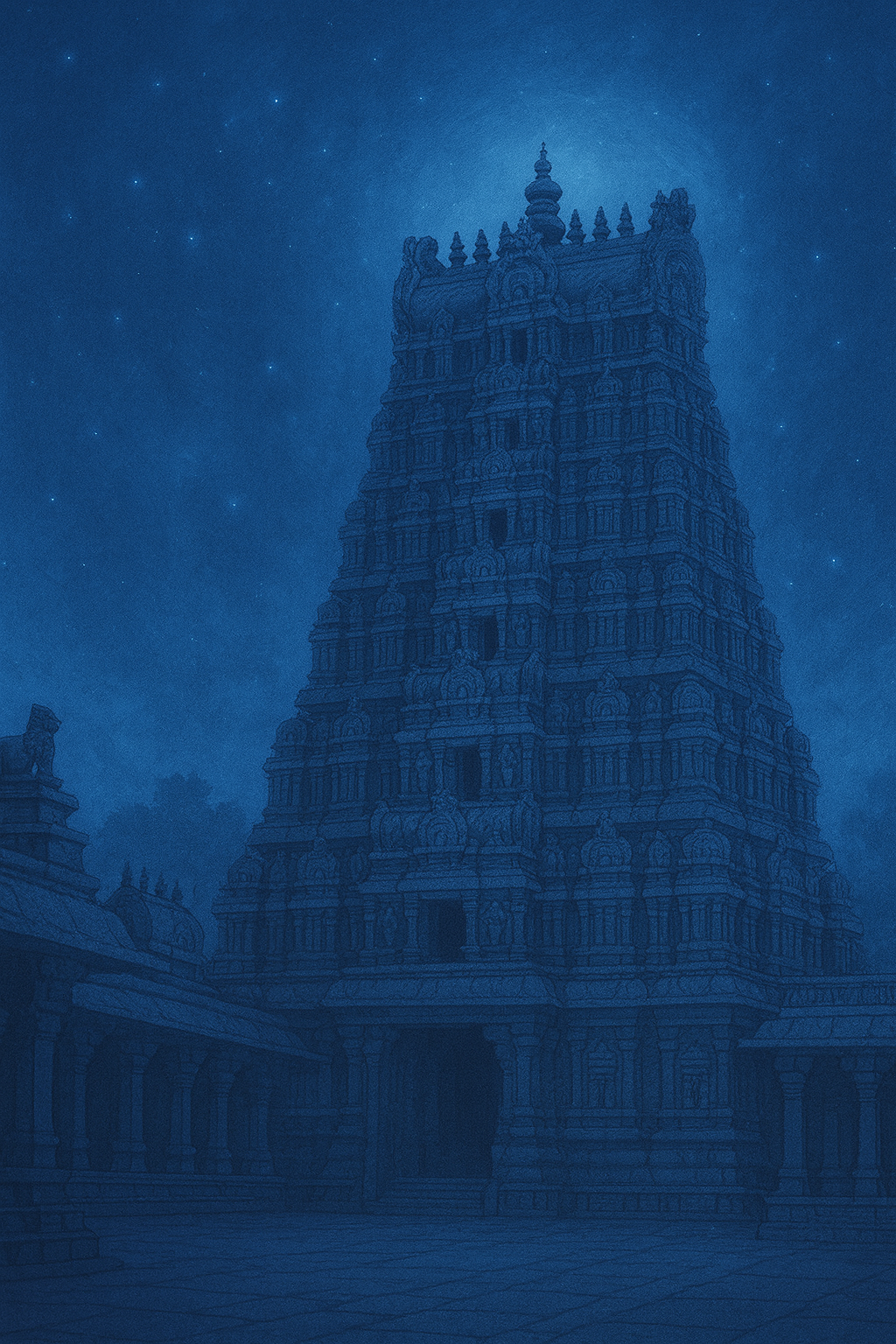
Ramanathaswamy Temple
Rameswaram, Tamil Nadu
One of the twelve Jyotirlinga shrines, linked to the Ramayana where Lord Rama worshipped Shiva to absolve the sin of killing Ravana.
Interesting Fact
Features the longest corridor among all Hindu temples, with over 1200 intricately carved pillars.
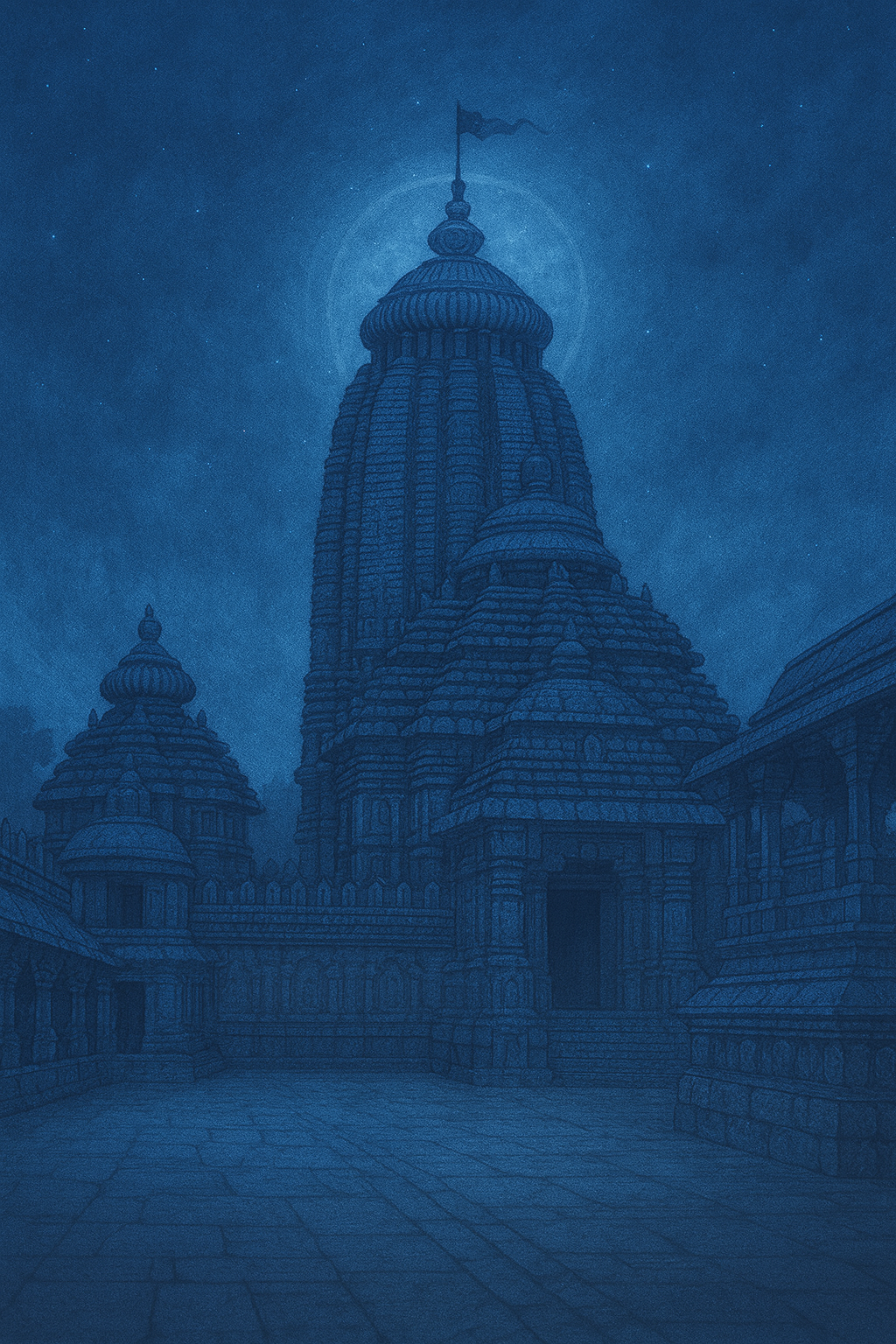
Jagannath Temple
Puri, Odisha
One of the four Char Dham sites, dedicated to Lord Jagannath (Krishna). Famous for its annual Rath Yatra chariot festival.
Interesting Fact
The flag atop the dome mysteriously flutters opposite to the wind direction, defying scientific explanation.

Kedarnath Temple
Rudraprayag, Uttarakhand
Sacred Jyotirlinga in the Himalayas. The Pandavas established this temple after the Mahabharata war to atone for their sins.
Interesting Fact
Miraculously survived the 2013 flash floods when a massive boulder diverted the deluge—considered a divine intervention.
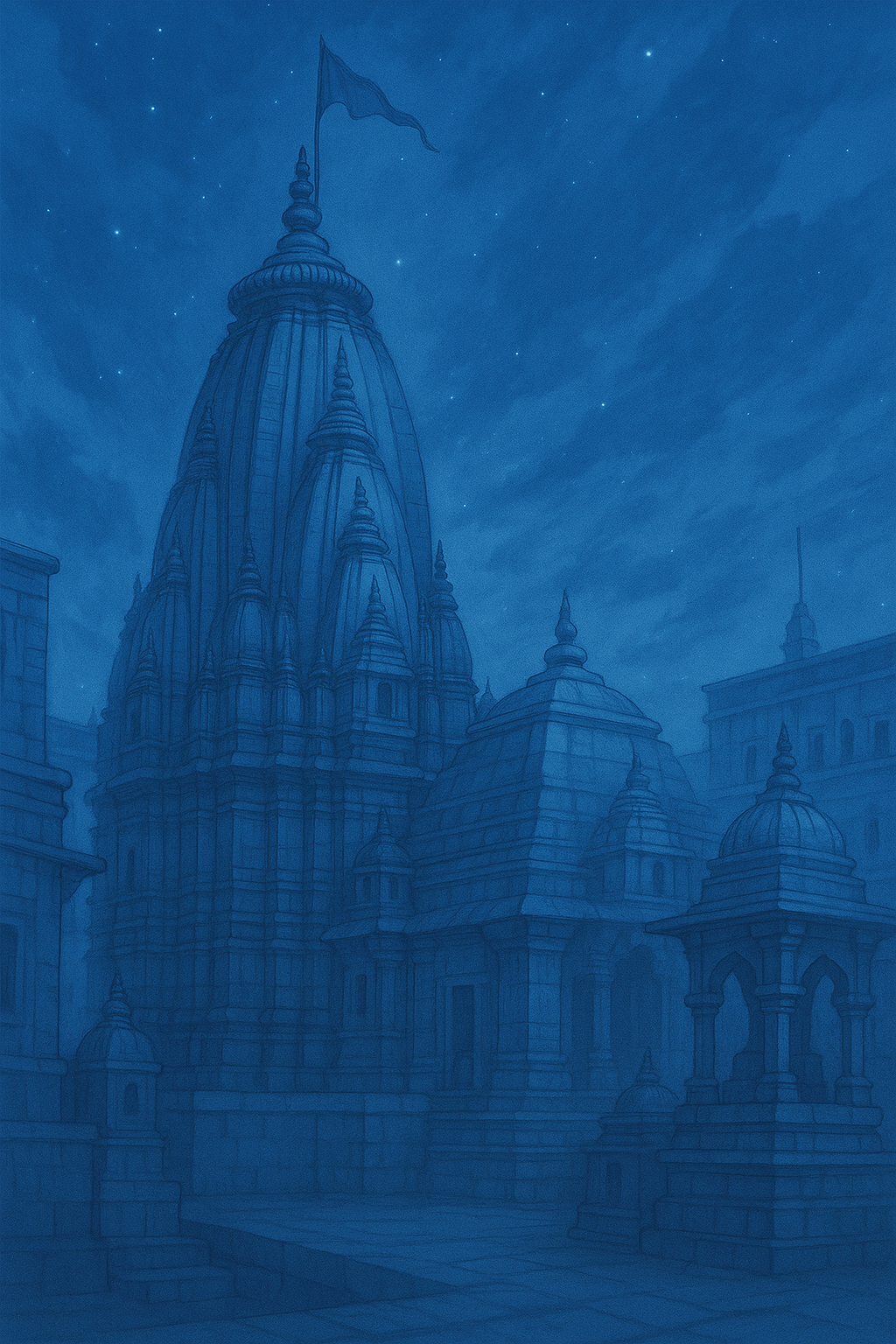
Kashi Vishwanath Temple
Varanasi, Uttar Pradesh
One of the most sacred Jyotirlingas of Lord Shiva in Varanasi. A glimpse of the deity is believed to grant liberation (moksha).
Interesting Fact
The 60 cm Vishweshwar lingam is housed in a silver altar. The spire is plated with 800 kg of pure gold.
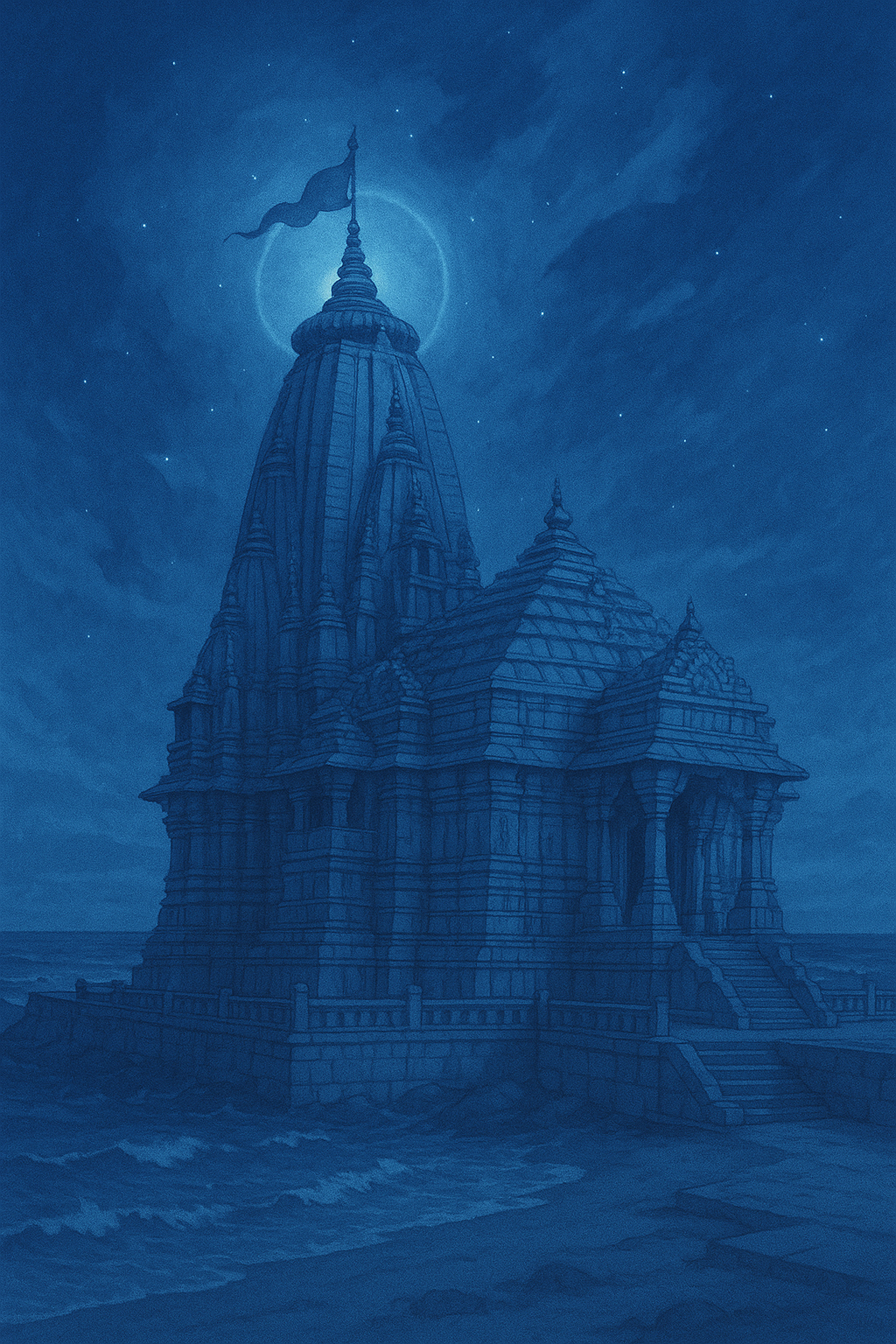
Somnath Temple
Veraval, Gujarat
The first of the twelve Jyotirlinga shrines of Lord Shiva. A symbol of resilience, rebuilt multiple times after destruction.
Interesting Fact
The arrow pillar (Baan Stambh) points directly towards the South Pole, indicating an unobstructed sea route—a testament to ancient Bharatiya knowledge.

Badrinath Temple
Chamoli, Uttarakhand
Sacred abode of Lord Vishnu and one of the four Char Dham sites. Vishnu performed intense austerities here for the welfare of all beings.
Interesting Fact
The main idol is a black Saligram stone showing Vishnu in a meditative posture—unusual as he's typically shown reclining or standing.
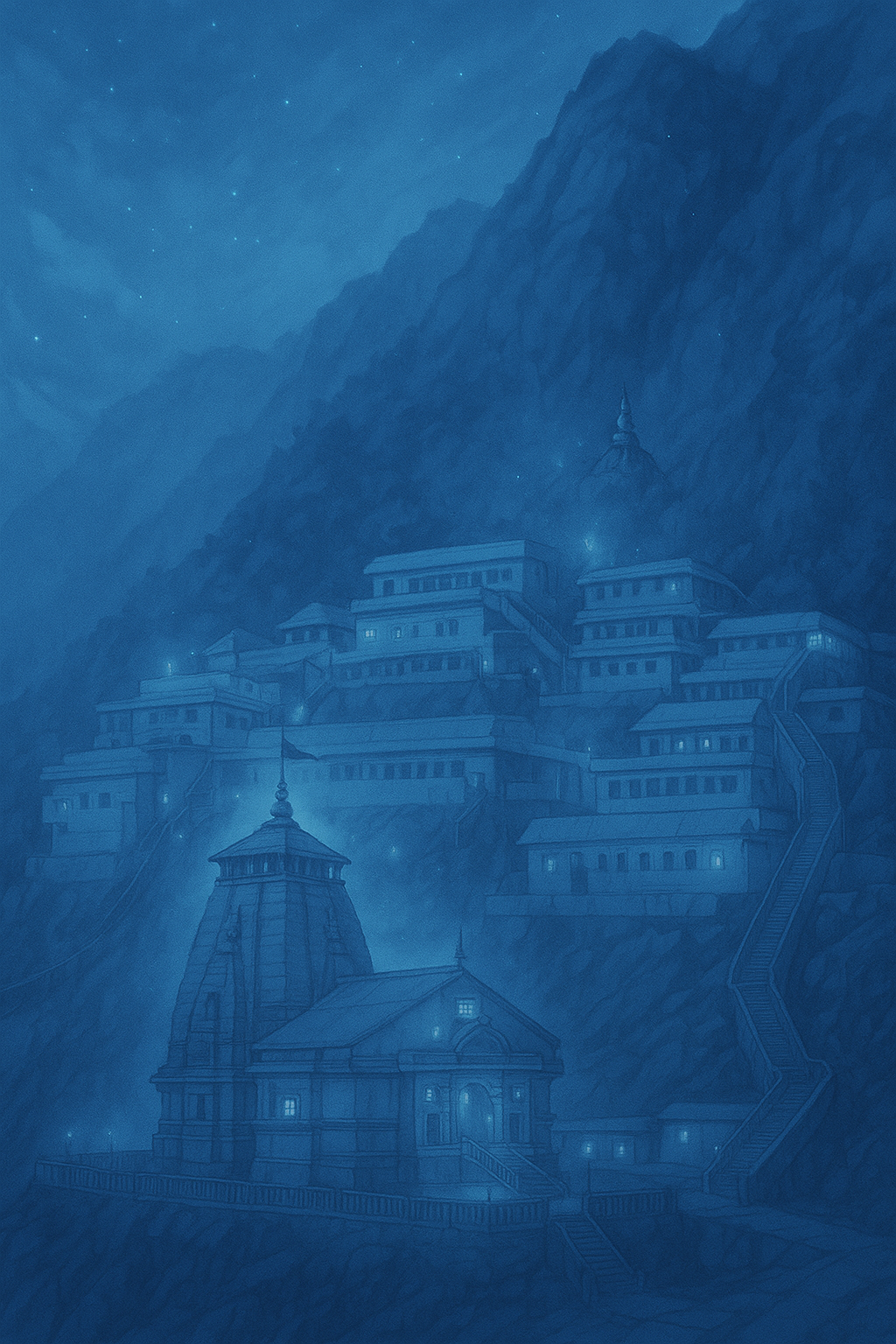
Vaishno Devi Temple
Katra, Jammu & Kashmir
Major Shakti Peeth dedicated to Goddess Vaishnavi. Devotees trek to the holy cave where the Goddess manifested as three rock heads (Pindies).
Interesting Fact
The extremely narrow cave can only be passed through by the Goddess's grace, absolving one of sins.

Amarnath Cave Temple
Pahalgam, Jammu & Kashmir
Highly revered shrine where Lord Shiva is worshipped as a naturally occurring ice lingam. Where Shiva revealed the secret of immortality to Parvati.
Interesting Fact
The ice lingam waxes and wanes with moon phases, reaching maximum size during the Shravani Mela festival.
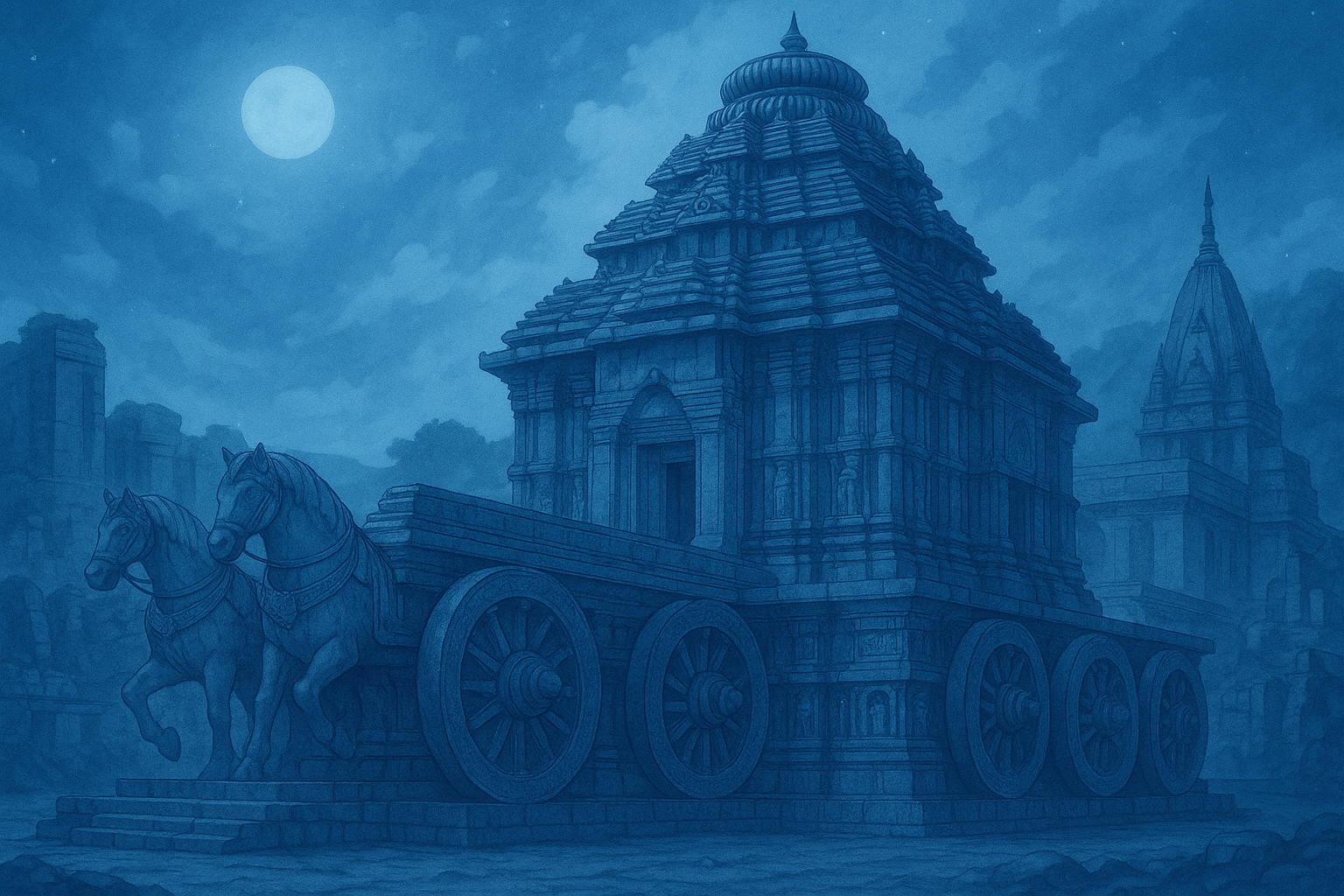
Konark Sun Temple
Konark, Odisha
Architectural marvel designed as a colossal chariot for the Sun God, Surya. Built by Samba, Krishna's son, after being cured of leprosy.
Interesting Fact
The 12 pairs of intricately carved wheels function as accurate sundials, telling time to the minute.

Kamakhya Temple
Guwahati, Assam
One of the oldest Shakti Peeths, celebrating the yoni (womb) of Goddess Sati. A major center for Tantrism and worship of the divine feminine.
Interesting Fact
No idol in the sanctum; a rock fissure fed by an underground spring runs red during the Ambubachi Mela.
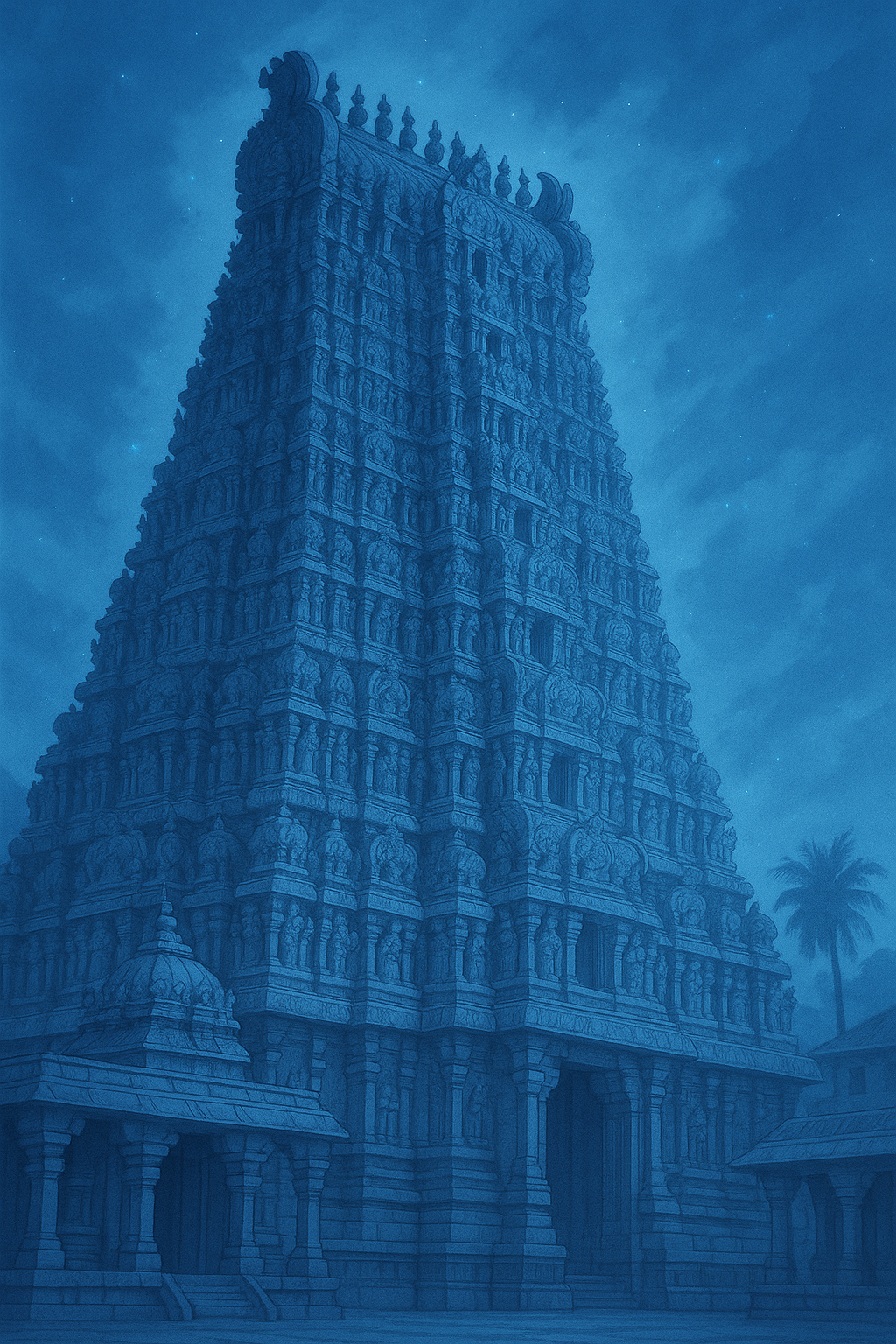
Meenakshi Temple
Madurai, Tamil Nadu
Spectacular temple complex dedicated to Goddess Meenakshi (Parvati) and Lord Sundareswarar (Shiva). The city of Madurai was built around this temple.
Interesting Fact
The "Hall of a Thousand Pillars" features pillars that produce different musical notes when struck, showcasing ancient acoustic engineering.
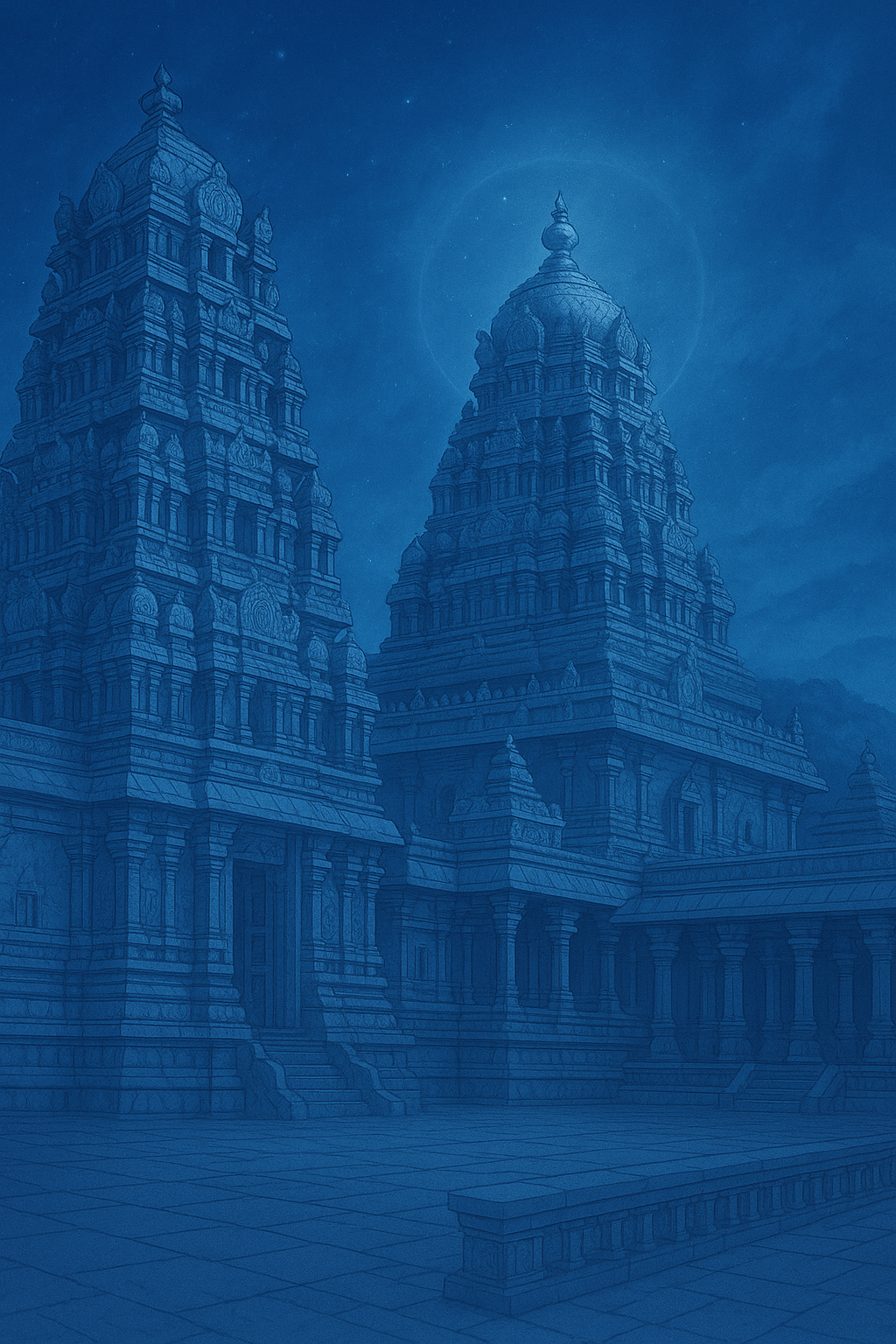
Venkateswara Temple
Tirupati, Andhra Pradesh
The earthly abode of Lord Vishnu as Venkateswara (Balaji), who manifested here to guide humanity in the Kali Yuga. One of the most visited holy places on Earth.
Interesting Fact
The self-manifested (Swayambhu) idol mysteriously maintains 110°F and appears to perspire, despite cool temple surroundings.
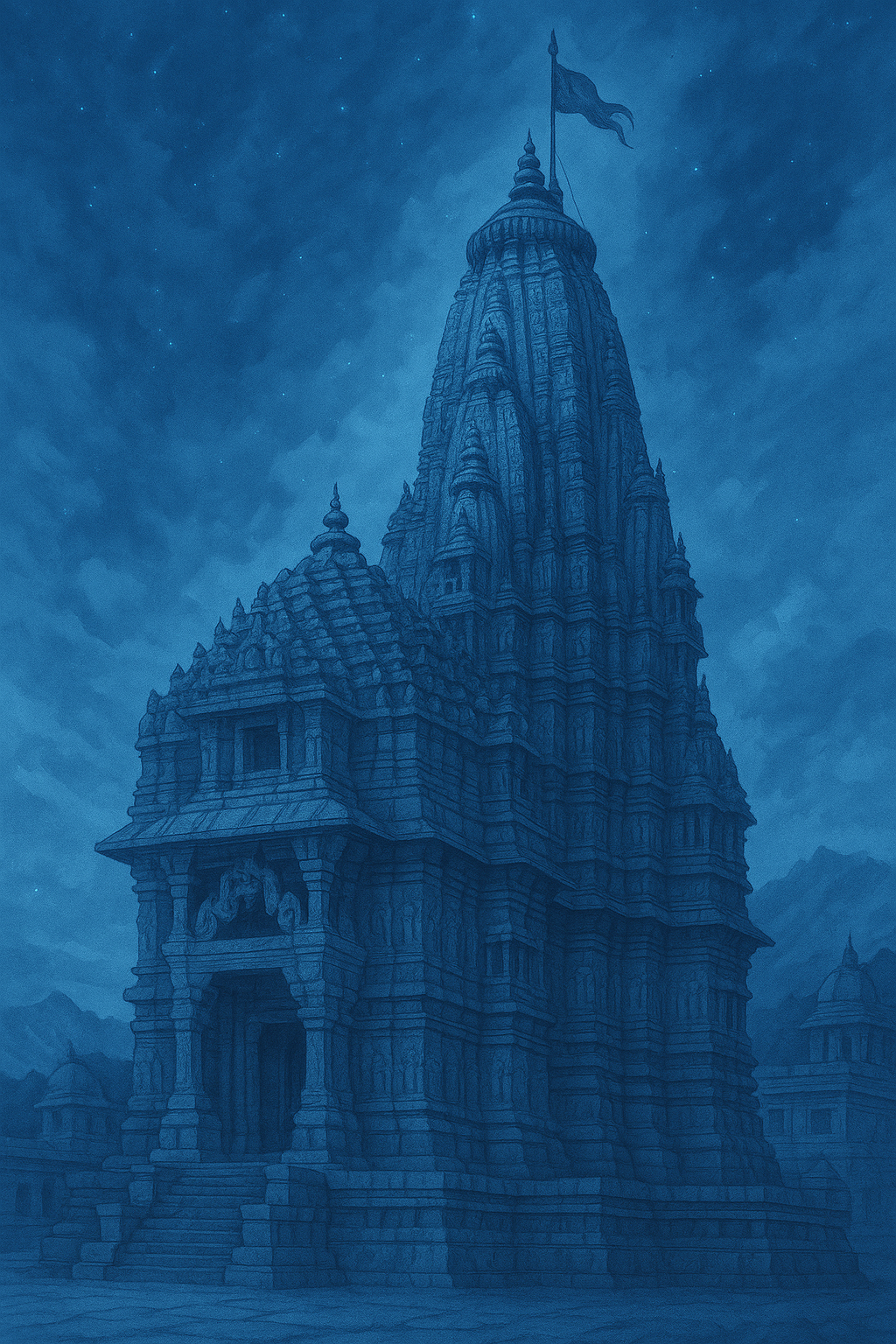
Dwarkadhish Temple
Dwarka, Gujarat
Also known as Jagat Mandir, part of the Char Dham pilgrimage. Believed to stand where Lord Krishna's residential palace, Harigriha, once was.
Interesting Fact
The main flag (Dhwaja) is changed five times daily—a great honor for devotee families to sponsor this elaborate ritual.
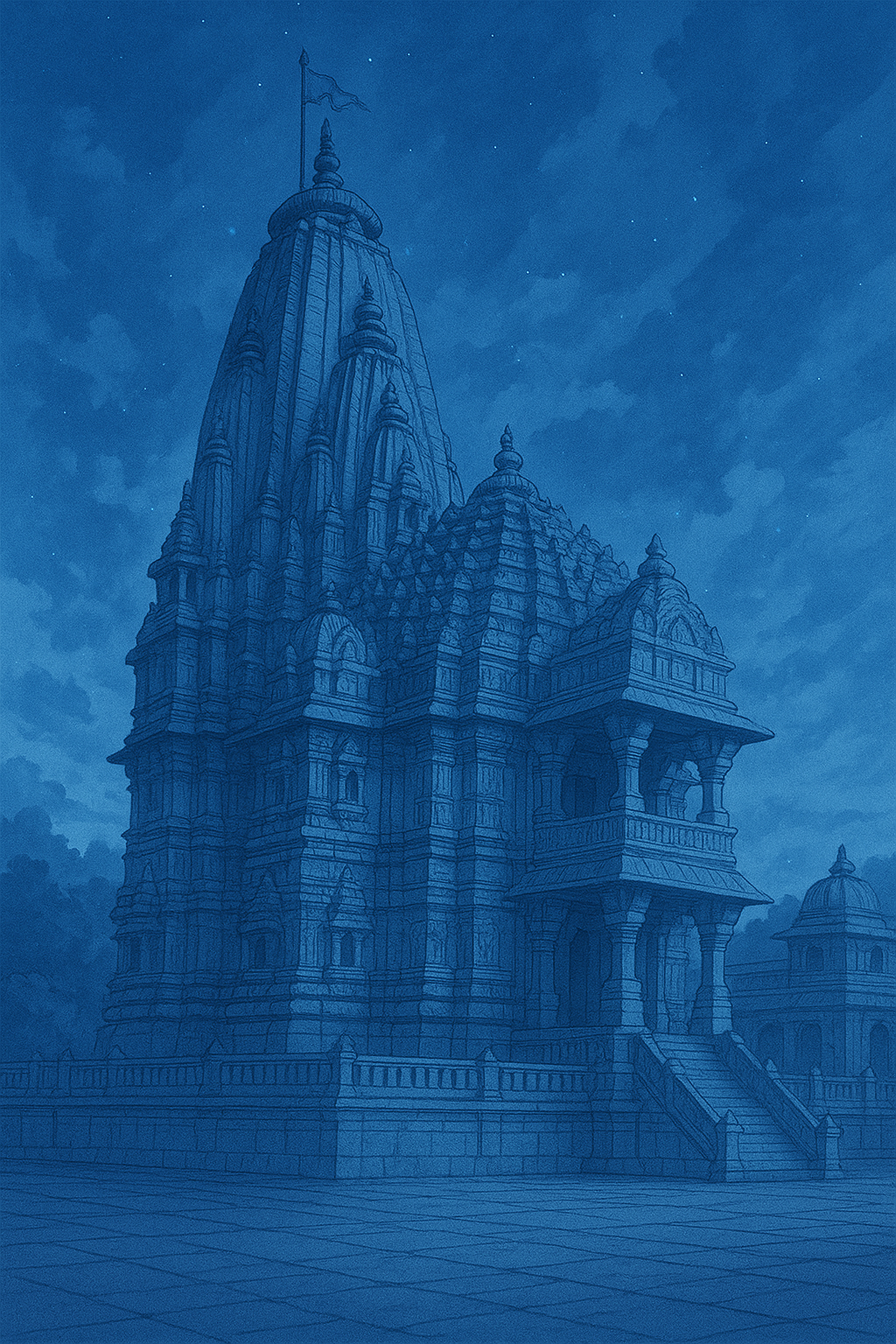
Mahakaleshwar Jyotirlinga
Ujjain, Madhya Pradesh
Powerful Jyotirlinga where Shiva presides as the Lord of Time and Death. The only south-facing (dakshinamukhi) Jyotirlinga—a unique Tantric feature.
Interesting Fact
The daily Bhasma Aarti uses fresh ash from a funeral pyre, symbolizing that death is the ultimate reality and Shiva is its master.

Gangotri Temple
Gangotri, Uttarakhand
This serene temple marks the spiritual source of the sacred River Ganga. It is believed King Bhagiratha performed intense penance here to bring the celestial river down to earth.
Interesting Fact
The temple closes for six months during winter. It is believed that the Goddess Ganga retreats to her winter seat in Mukhba village, and that deities (Devas) continue her worship in the closed temple.